
The Vegetable Garden
“a community is the mental and spiritual condition of knowing that the place is shared and that the people who share the place define and limit the possibilities of each other’s lives. It is the knowledge that people have of each other, their concern for each other, their trust in each other, the freedom with which they come and go among themselves.”
The author, farmer and poet Wendell Berry
By returning our lives to real places, we rediscover community.
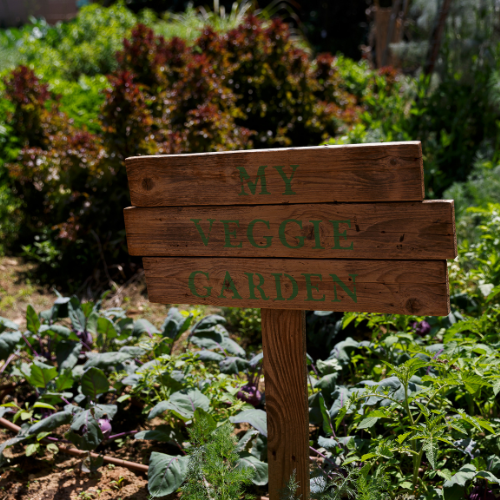
When life is rooted in soil, weather, and daily care, the effects of our actions become visible. What we plant, how we tend, what we take, and what we leave behind all ripple outward — to the land, to the people nearby, and to the wider ecology we are part of.
Caring for humanity does not begin as an idea.
It begins as something immediate and tangible: food grown with attention, shared seasons, daily responsibility, and a willingness to stay present with consequences. While awareness of global needs matters, real care is learned locally — through hands in soil, patience with growth, and choices made close to home.
At Genevieve Grove, the vegetable garden is not a project.
It is a living practice of responsibility, nourishment, and a quiet relationship with place.
How the Garden Is Tended
permaculture urges us to discover the freedom that comes from respecting nature’s limitations.

The garden here follows the principle of observation before action.
Beds are shaped by sun, wind, and water rather than by rigid plans. What grows well is allowed to stay. What struggles are listened to, not forced.
Kitchen scraps return to the soil.
Leaves, straw, and cuttings are reused as cover and protection. Water is guided gently, never rushed. The aim is not abundance at any cost, but continuity — so the land remains fertile, resilient, and alive year after year.
Nothing here is finished.
The garden is adjusted season by season, learning from what the land shows rather than imposing ideas upon it.
Shared From the Ground Up
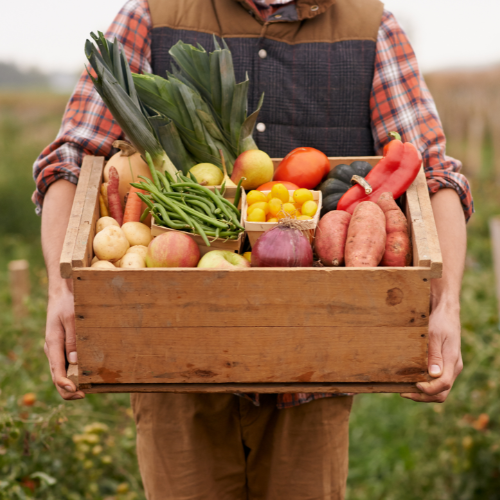
What grows in the garden often finds its way to the table.
Meals are shaped by what is ready, not by expectation. Sometimes it is simple greens, sometimes herbs, sometimes nothing at all — and that is part of the rhythm.
Guests are welcome to walk among the beds, to notice, to taste, or simply to sit nearby. The garden does not ask for participation, only presence. It offers a way to slow down and remember that nourishment is not only something we consume, but something we share — with the land, with each other, and with the day as it unfolds.
L’Orto
Tornando a vivere in luoghi reali, riscopriamo la comunità.
Quando la vita è radicata nel suolo, nel clima e nella cura quotidiana, gli effetti delle nostre azioni diventano visibili. Ciò che piantiamo, come ce ne prendiamo cura, ciò che prendiamo e ciò che lasciamo, tutto si diffonde verso la terra, le persone vicine e l’ecosistema più ampio di cui facciamo parte.
Prendersi cura dell’umanità non nasce da un’idea.
Nasce da qualcosa di immediato e concreto: cibo coltivato con attenzione, stagioni condivise, responsabilità quotidiana e la disponibilità a restare presenti alle conseguenze delle proprie scelte. Essere consapevoli dei bisogni globali è importante, ma la cura autentica si impara localmente, con le mani nella terra, la pazienza della crescita e le decisioni prese vicino a casa.
A Genevieve Grove, l’orto non è un progetto.
È una pratica viva di responsabilità, nutrimento e relazione silenziosa con il luogo.
Come viene curato l’orto
La permacultura ci invita a scoprire la libertà che nasce dal rispettare i limiti della natura.
Qui l’orto segue l’osservazione prima dell’azione.
Le aiuole sono modellate dal sole, dal vento e dall’acqua, non da piani rigidi. Ciò che cresce bene rimane. Ciò che fatica viene ascoltato, non forzato.
Gli scarti della cucina tornano alla terra.
Foglie, paglia e potature vengono riutilizzate come copertura e protezione. L’acqua viene guidata con delicatezza, mai forzata. L’obiettivo non è l’abbondanza a ogni costo, ma la continuità, affinché la terra resti fertile, resiliente e viva anno dopo anno.
Nulla qui è definitivo.
L’orto si adatta stagione dopo stagione, imparando da ciò che la terra mostra, senza imporre idee dall’esterno.
Condiviso dalla terra alla tavola
Ciò che cresce nell’orto spesso finisce sulla tavola.
I pasti seguono ciò che è pronto, non le aspettative. A volte sono semplici verdure a foglia, altre volte erbe, altre volte nulla, e anche questo fa parte del ritmo.
Gli ospiti sono invitati a camminare tra le aiuole, osservare, assaggiare o semplicemente sedersi nelle vicinanze. L’orto non chiede partecipazione, solo presenza. Offre un modo per rallentare e ricordare che il nutrimento non è solo qualcosa che consumiamo, ma qualcosa che condividiamo, con la terra, tra di noi e con il tempo che scorre.
 Genevieve Grove -Bio Retreat